
Key Takeaways
- Skin removal surgery removes excess skin that can no longer shrink back after major weight loss.
- Your weight should be stable for at least six to twelve months before surgery.
- Common procedures include a tummy tuck, arm lift, thigh lift, breast uplift and lower body lift.
- Most people need around two weeks off work and six weeks before returning to heavy exercise.
- Scars are permanent, but they usually fade and flatten over 12 to 18 months.
- Non surgical treatments suit mild to moderate laxity, while surgery suits skin that hangs in folds.
- A consultation with a plastic surgeon is the best way to find the right route for you.
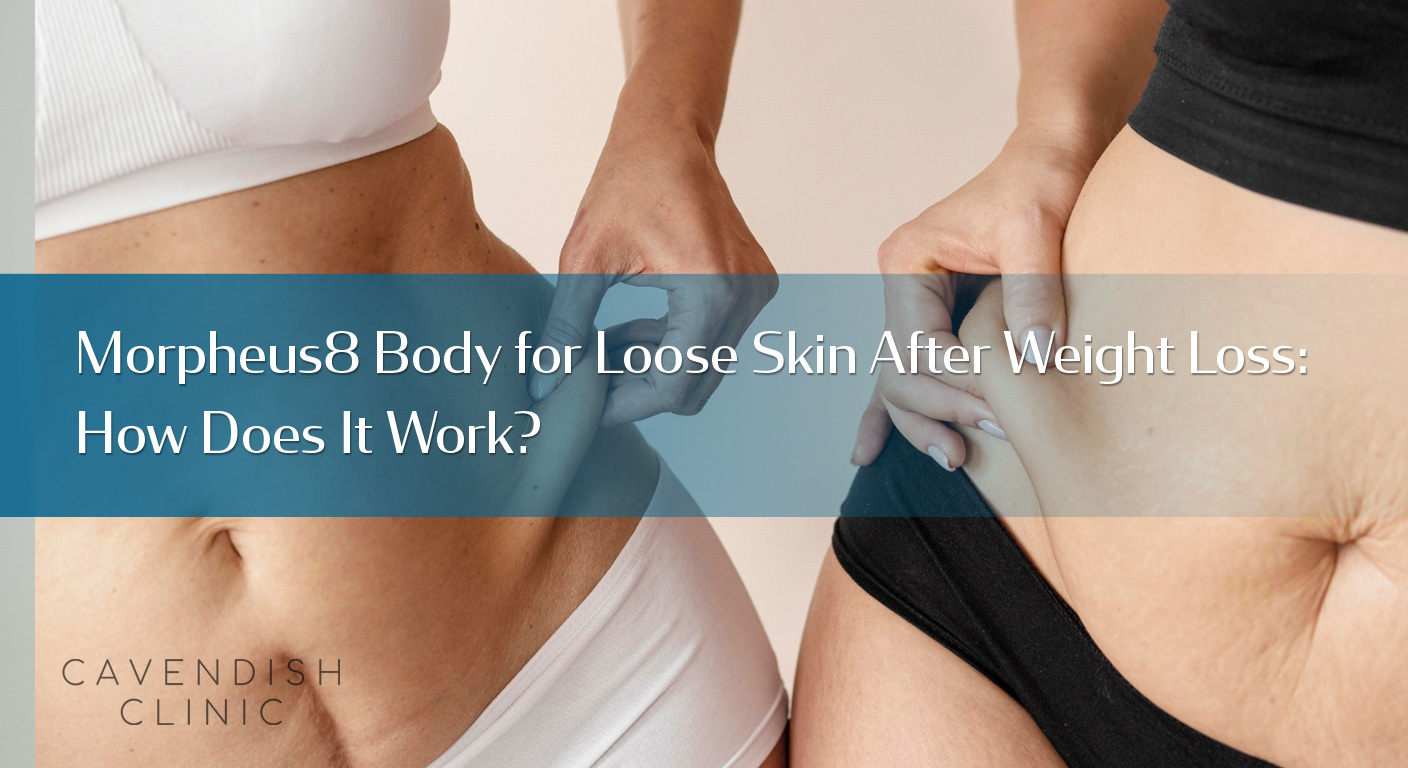
Losing a large amount of weight changes how you feel, move and live. Yet for many people across the UK, the reflection in the mirror doesn’t quite match the effort. Folds of loose skin on the tummy, arms or thighs can rub, trap moisture and make clothes sit awkwardly, long after the weight itself has gone.
Non-surgical treatments can firm mild to moderate laxity, but when skin hangs in folds, surgery is often the only way to remove it. To help you understand your options, we put the questions patients ask most often to Plastic Surgeon Matt James, recently voted London’s best plastic surgeon and highly regarded among the city’s top names in the field. With over 20 years of surgical experience, he advises Cavendish Clinic patients on body contouring, and his answers are honest, practical and grounded in what he sees in the clinic every week.
What Is Skin Removal Surgery After Weight Loss?
Skin removal surgery is a group of operations that remove the excess skin left behind after significant weight loss and tighten what remains. The surgeon takes away loose skin, along with any small amount of fat beneath it, then reshapes the area for a smoother, firmer contour.
It is usually considered after losing several stones, whether through diet and exercise, bariatric surgery or weight loss injections.
“Once skin has been stretched for years, the collagen and elastin that help it recoil are often too damaged to recover fully. No amount of dieting, exercise or skin cream will remove a true fold of excess skin. Surgery is the only way to physically take it away.”
Matt James, Plastic Surgeon
How Do I Know if I Need Surgery or a Non Surgical Treatment?
The key difference is whether your skin is loose or whether it hangs. Crepey skin that still sits flat often responds well to collagen stimulating treatments. Skin that folds over itself, overhangs a waistband or causes rashes underneath usually needs surgery.
“I ask patients to stand in front of a mirror and lift the area gently. If the skin simply looks softer than they’d like, we can often help without an operation. If there’s a fold that rubs, sweats or gets sore, that’s a sign surgery will give a far better result.”
Matt James, Plastic Surgeon
For skin that feels loose but still lies flat, treatments such as Exosome Skin Rejuvenation can support skin repair and improve overall skin quality, often as part of a wider non surgical plan.
When Is the Right Time to Have Skin Removal Surgery?
Most surgeons recommend waiting until your weight has been stable for at least six to twelve months. After bariatric surgery, this often means waiting 12 to 18 months from the original operation. Good nutrition matters too, as your body needs enough protein, iron and vitamins to heal well.
“Operating while someone is still losing weight is a false economy. If more weight comes off afterwards, new looseness appears and the result is compromised. I want patients at a stable weight they’re happy to maintain for the long run.”
Matt James, Plastic Surgeon
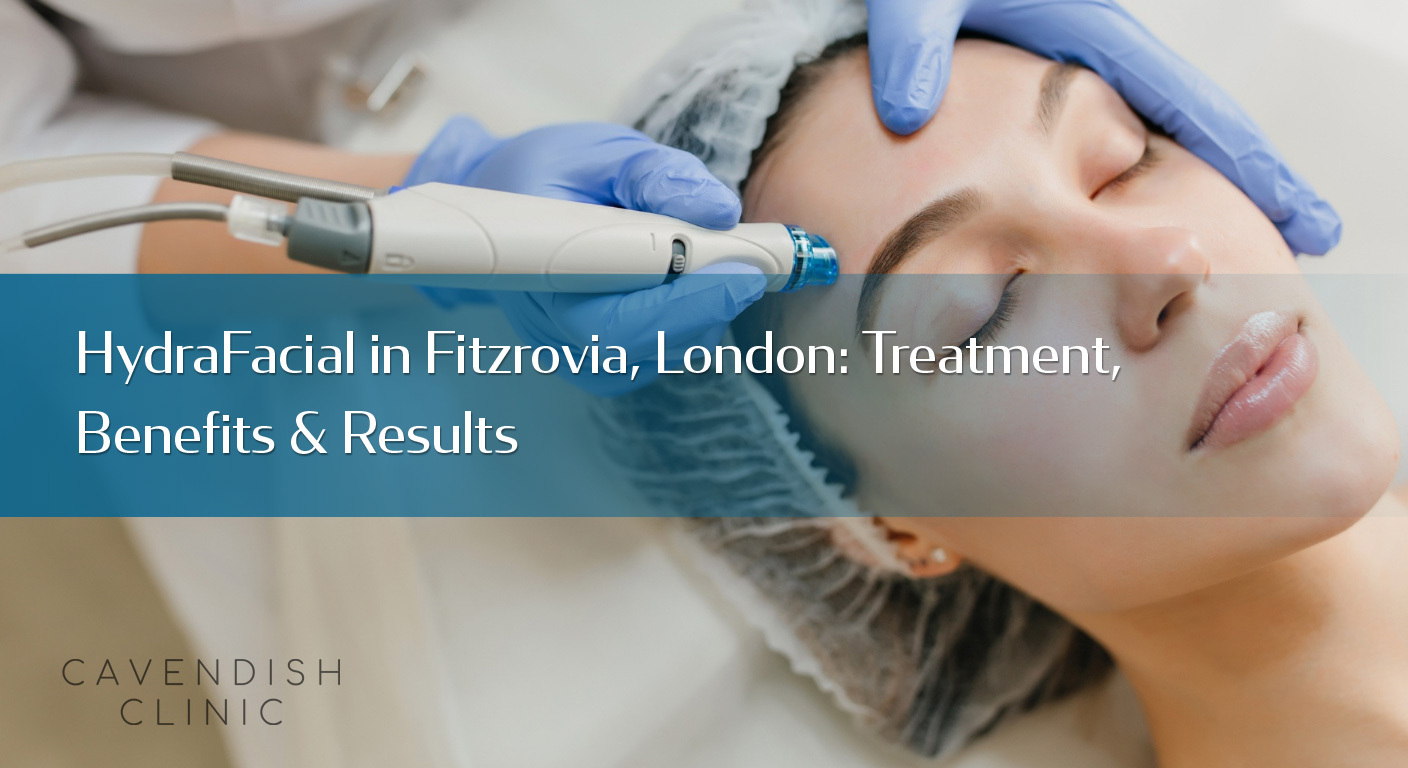
The waiting period is also a good time to improve the condition of your skin. Treatments such as the HydraFacial Deluxe with SkinCeuticals in London deeply cleanse and hydrate the skin, so it is in better shape by the time you’re ready for surgery.
Which Procedures Are Available?
The right operation depends on where your excess skin sits. The most common options are:
- Abdominoplasty (tummy tuck): removes excess skin from the lower tummy and can repair stomach muscles that have separated.
- Apronectomy: removes an overhanging apron of skin from the lower abdomen, without muscle repair.
- Brachioplasty (arm lift): removes loose skin from the upper arms, leaving a scar along the inner arm.
- Thigh lift: tightens loose skin on the inner or outer thighs.
- Lower body lift: treats the tummy, flanks, buttocks and outer thighs in one operation, with a scar around the waist.
- Breast uplift (mastopexy): lifts and reshapes breasts that have lost volume and firmness.
- Facelift and neck lift: address loose skin along the jawline, lower face and neck.
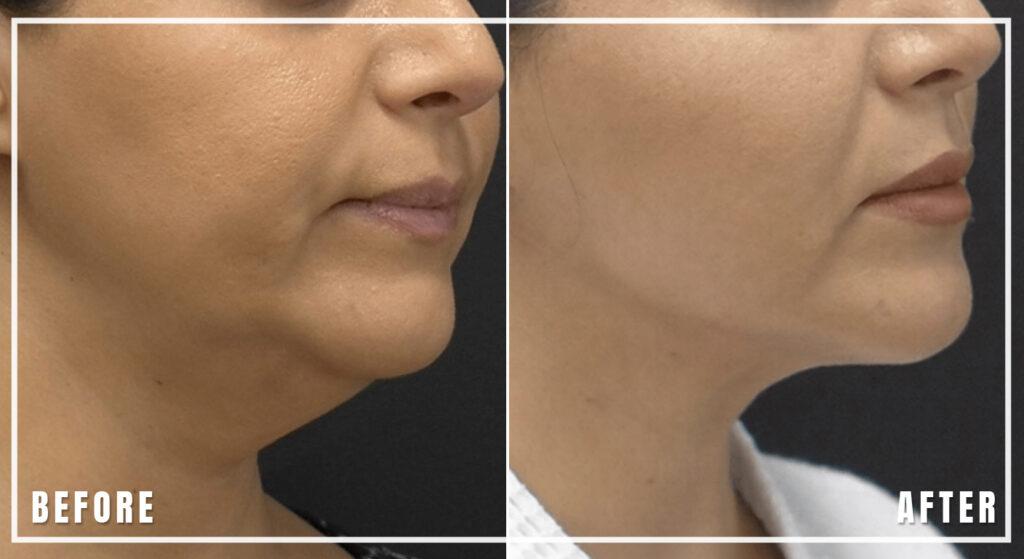
Not everyone needs a full facelift, though. Where looseness under the chin and along the jawline is mild to moderate, a minimally invasive option such as FaceTite Non Surgical Facelift may tighten the area with far less downtime.
“Many patients would love everything done at once, but safety always comes first. Combining too many areas means a longer anaesthetic and a tougher recovery, so we often plan procedures in stages, a few months apart.”
Matt James, Plastic Surgeon
Am I a Good Candidate for Skin Removal Surgery?
You are likely to be a good candidate if you:
- Have kept a stable weight for at least six to twelve months
- Have a BMI close to the healthy range, ideally under 30 to 32
- Don’t smoke, or are willing to stop at least six weeks before and after surgery
- Are in good general health, with conditions such as diabetes well controlled
- Understand that surgery leaves permanent scars
“Smoking is the one thing I’m really strict about. It narrows the small blood vessels the skin relies on to heal, and it significantly raises the risk of wound problems. Vaping carries similar risks because of the nicotine.”
Matt James, Plastic Surgeon
What Is Recovery Like After Skin Removal Surgery?
Most skin removal operations are carried out under general anaesthetic, and some need an overnight hospital stay. You will usually wear a compression garment for around six weeks to reduce swelling and support the healing tissue. Gentle walking starts on the first day, most people take about two weeks off a desk job, and heavy lifting and strenuous exercise should wait for at least six weeks. Swelling continues to settle for several months, with the final result visible at six to twelve months.
“The first fortnight is the hardest. After that, most people are surprised how quickly they feel like themselves again. I do ask them to respect the six week rule on lifting and exercise, because that’s when the deeper tissues are still knitting together.”
Matt James, Plastic Surgeon
Will I Have Scars?
Yes. Every skin removal operation leaves a scar, but surgeons place them carefully so they can be hidden by underwear, swimwear or the natural position of the arms. Scars often look red and raised for the first few months, then gradually fade and flatten over 12 to 18 months.
You can also help scars along. Once your wounds have fully healed and your surgeon is happy, SkinPen Microneedling London can soften the texture of mature scars and help them blend more naturally with the surrounding skin.
“I’m always honest that surgery trades loose skin for a scar. For most of my patients, a well placed scar that fades over time is far easier to live with than skin that rubs, sweats and gets in the way every single day.”
Matt James, Plastic Surgeon
What Are the Risks?
As with any operation, skin removal surgery carries risks. These include fluid collecting under the skin (seroma), slow wound healing, infection, bleeding, blood clots, changes in skin sensation and some unevenness between sides. Choosing an experienced surgeon, being a non smoker and having a stable weight all help to lower these risks. Your surgeon will talk you through each one in detail at your consultation.
Does Losing Weight With Injections Change Anything?
The surgical principles are the same, but timing needs extra care. Weight loss with injections such as Mounjaro or Wegovy often happens quickly, giving skin less time to adapt and sometimes leading to muscle loss too. Your surgeon will want to see that your weight and your medication dose have settled before planning surgery.
“We’re seeing more and more patients who’ve lost weight quickly with injections. I check carefully that their weight has truly plateaued and that their diet supports healing. Rushing in too early is the most common mistake I see.”
Matt James, Plastic Surgeon
If you’re still on your journey, Cavendish Clinic’s Weight Loss & Body Transformation programme offers medically supervised support, so the same team can guide you from weight loss through to the right moment for contouring.
How Can I Look After My Skin Before and After Surgery?
Healthy, well hydrated skin tends to heal better and settle more evenly, so it pays to look after it at every stage. Before surgery, focus on drinking plenty of water, eating enough protein and protecting your skin from the sun.
Treatments that refresh the surface of the skin can help too. A SkinCeuticals Gel Peel gently improves dull, uneven texture, and your practitioner can time it around your surgery with your surgeon’s advice.
After surgery, follow your aftercare plan closely. Wear your compression garment as advised, moisturise once your wounds have closed and keep scars out of direct sun for at least a year. These simple habits make a noticeable difference to how your skin and scars settle.
“Surgery reshapes the body, but the quality of the skin itself still matters. Patients who look after their skin before and after their operation usually see smoother results and scars that settle more nicely.”
Matt James, Plastic Surgeon
Final Thoughts
Loose skin after major weight loss isn’t a sign that you’ve done anything wrong. It’s simply what happens when skin has stretched beyond the point where it can recover on its own. For mild to moderate laxity, non surgical treatments can make a real difference. When skin hangs in folds, skin removal surgery is often the most reliable way to finish your transformation.
The most important step is an honest assessment. A consultation with an experienced plastic surgeon like Mr Matt James, who has more than20 years of experience in surgical body contouring, will tell you which route suits your body, what results you can realistically expect and how to plan your recovery around your life. If you’re ready to explore your options, booking a consultation at Cavendish Clinic is the best place to start.