
Key Takeaways
- Hyperpigmentation occurs due to excess melanin production, usually triggered by sun exposure, hormones, or inflammation.
- Daily broad-spectrum SPF 30+ sunscreen is the single most important step in preventing and managing hyperpigmentation.
- Topical ingredients like vitamin C, niacinamide, and AHAs help fade mild pigmentation but work slower than professional treatments.
- Professional treatments like chemical peels, laser therapy, and microdermabrasion deliver faster, more visible results for stubborn pigmentation.
- Results take time, most patients see noticeable improvement over eight to twelve weeks of consistent treatment.
- Pigmentation can return if triggers like sun exposure or hormonal changes aren’t managed, so ongoing sun protection and maintenance matter long term.
LATEST TIPS AND INSIGHTS BY CAVENDISH CLINIC
Hyperpigmentation is a skin condition that affects millions of people worldwide, and it can be frustrating to deal with. Whether it’s sunspots, melasma, acne scars, or age spots, hyperpigmentation can take a toll on your confidence and overall skin health. In the UK alone, pigmentation concerns are among the most common reasons patients visit an aesthetic clinic, and with the right combination of skincare and professional treatment, most cases can be significantly improved. Let’s explore the latest tips and insights for understanding, preventing, and treating hyperpigmentation effectively.
WHAT IS HYPERPIGMENTATION?
Hyperpigmentation occurs when certain areas of the skin become darker in color than the surrounding skin. This happens due to an overproduction of melanin, the pigment responsible for skin, hair, and eye color. This overproduction is usually triggered by an underlying cause, such as sun exposure, inflammation, or hormonal changes, which is why identifying the root cause is just as important as treating the visible pigmentation itself. There are several common types of hyperpigmentation, including:
- Sunspots: These are caused by prolonged sun exposure and can appear as small, dark spots on the skin.
- Melasma: Often triggered by hormonal changes, melasma leads to brown or grayish patches on the face, particularly in women.
- Post-Inflammatory Hyperpigmentation (PIH): PIH occurs after skin inflammation, such as acne or a rash, and leaves behind dark marks.

4. Age Spots (Liver Spots): These develop with age and repeated sun exposure over the years, commonly appearing on the face, hands, and shoulders as small, flat brown patches.
LATEST TIPS AND INSIGHTS:
1. Sunscreen is Your Best Friend:
One of the most crucial steps in preventing and treating hyperpigmentation is consistent sun protection. The sun’s UV rays can exacerbate existing hyperpigmentation and trigger new spots. Use a broad-spectrum sunscreen with SPF 30 or higher daily, even on cloudy days.
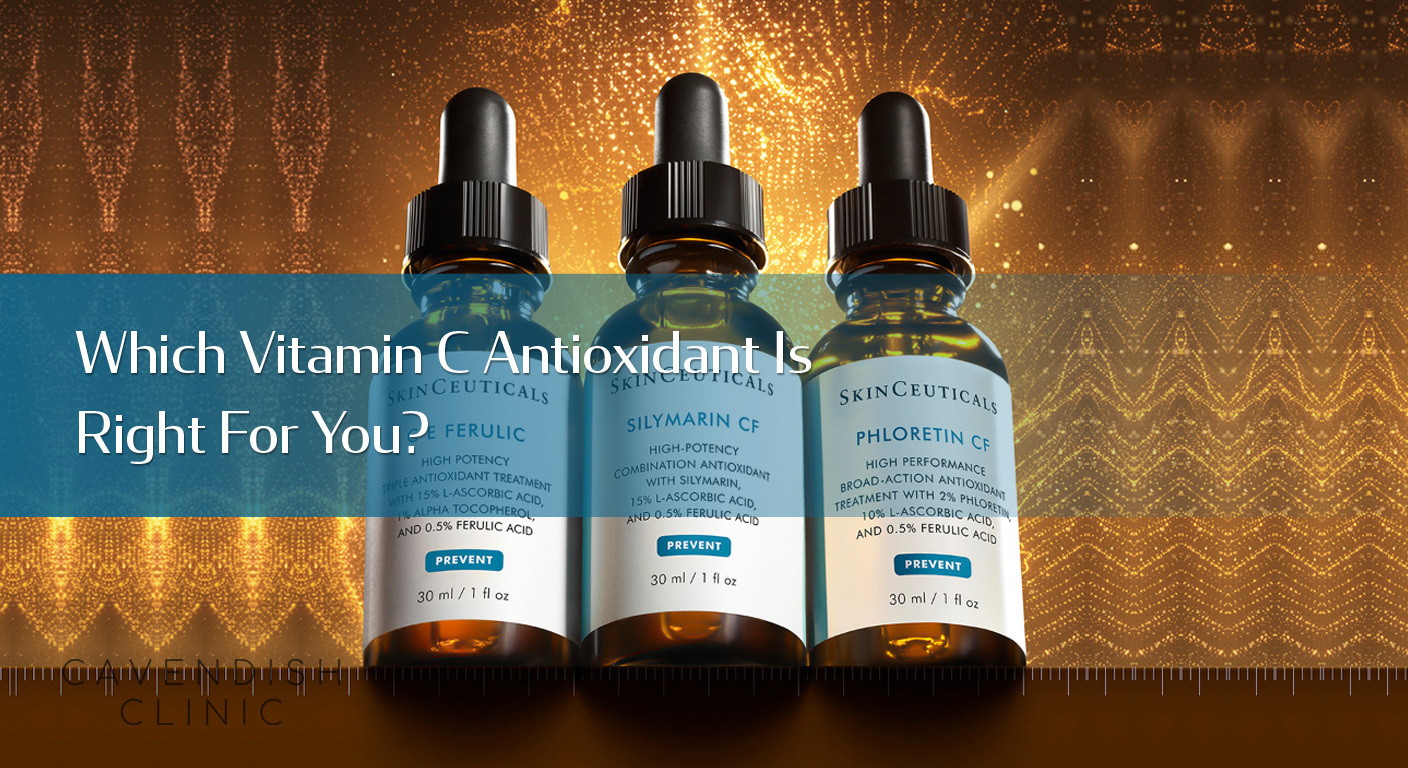
We recommend SkinCeuticals Mineral Matte UV Defense SPF 30 30ml & Skin Blue Filter
2. Topical Brightening Agents:
Incorporate skincare products containing ingredients like vitamin C, niacinamide, and alpha hydroxy acids (AHAs) into your routine. These ingredients can help fade existing pigmentation and prevent new spots from forming.
3. Professional Treatments:
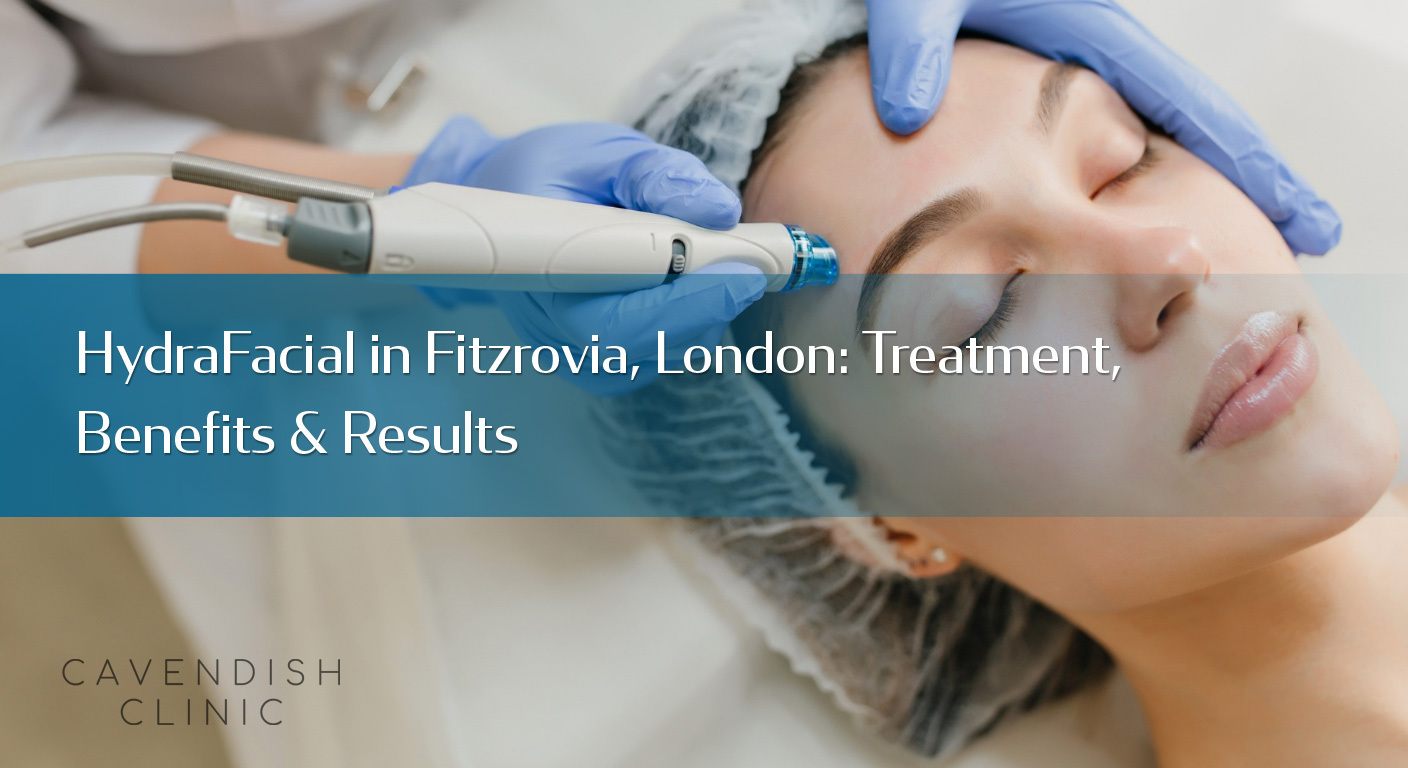
Consult with a dermatologist for advanced treatments like chemical peels, laser therapy, microdermabrasion, HydraFacial, or prescription-strength topical medications. These can be highly effective for stubborn hyperpigmentation. HydraFacial is a particularly popular choice for patients who want a gentle, no-downtime option. It combines deep cleansing, exfoliation, extraction and hydration in a single session, and can be paired with targeted brightening boosters to help reduce the appearance of dullness and uneven tone. Because it is non-invasive and suitable for most skin types, HydraFacial London is often recommended as a starting point or as regular maintenance alongside other pigmentation treatments. At Cavendish Clinic, our practitioners assess each patient’s skin individually before recommending the most suitable in-clinic treatment for their specific type and severity of pigmentation. Patients dealing with skin texture concerns alongside pigmentation often also explore treatments like EMTONE Cellulite Treatment London or Exilis Elite: Non Surgical Skin Tightening as part of a broader skin rejuvenation plan.
4. Stay Consistent:
Treating hyperpigmentation takes time and consistency. Be patient and adhere to your skincare routine diligently to see noticeable improvements. We always recommend a 12-week plan, and then analyse your results.
5. Address Hormonal Triggers:
If you have melasma, consult with a healthcare provider to address any underlying hormonal issues that may be contributing to your pigmentation concerns.
6. Avoid Picking and Squeezing:
Resist the urge to pick at your skin or pop pimples, as this can worsen hyperpigmentation and lead to PIH.
7. Dietary Considerations:
Some studies suggest that a diet rich in antioxidants and omega-3 fatty acids may help promote healthy skin and reduce hyperpigmentation. Incorporate foods like berries, fish, and leafy greens into your diet.
8. Be Patient With Timelines:
Most professional treatments require several sessions spaced a few weeks apart, and visible improvement typically builds gradually over four to twelve weeks rather than appearing after a single visit. For patients also looking to improve muscle tone and body contour alongside their skin goals, Emsculpt Neo London is another treatment offered at the clinic worth discussing during a consultation.
DR’S CONCLUSION:

Hyperpigmentation can be a challenging skin concern, but with the latest tips and insights, you can effectively manage and treat it. Remember that everyone’s skin is unique, so it may take some trial and error to find the best approach for your individual needs. Consulting with a dermatologist is always a wise step in your journey to achieving clear, even-toned skin.
By following these latest tips and staying informed about the best skincare practices, you can regain your confidence and enjoy a more radiant complexion. If you would like a personalised assessment of your skin, book a consultation with our practitioners at Cavendish Clinic to discuss the most effective treatment plan for your specific concerns.