


Key Takeaways
- Acne, dry skin, dark circles, sun damage and eczema are five of the most common skin concerns people deal with, and most respond well to a consistent, targeted routine.
- Daily broad-spectrum SPF 30+ protection is essential not just for sun damage, but for preventing acne scarring and pigmentation from worsening.
- Non-comedogenic, fragrance-free products tend to work best across most of these conditions, since they’re less likely to trigger breakouts or irritation.
- Persistent or severe cases, particularly eczema and stubborn acne, usually need professional input rather than over-the-counter fixes alone.
- Sun damage and dark circles often overlap with pigmentation concerns, so treating one can help improve the appearance of the other.
Common Skin Problems and How To Treat Them
Our skin is the body’s largest organ and plays a crucial role in protecting us from external elements. However, it is not invincible and can be prone to various issues. From acne to dryness, understanding common skin problems and their solutions can help you achieve healthier and more radiant skin. In our experience at Cavendish Clinic, most patients dealing with these concerns see real improvement once they combine the right daily habits with, where needed, professional treatment. This blog post will explore five common skin problems and discuss practical ways to address them.
1. Acne
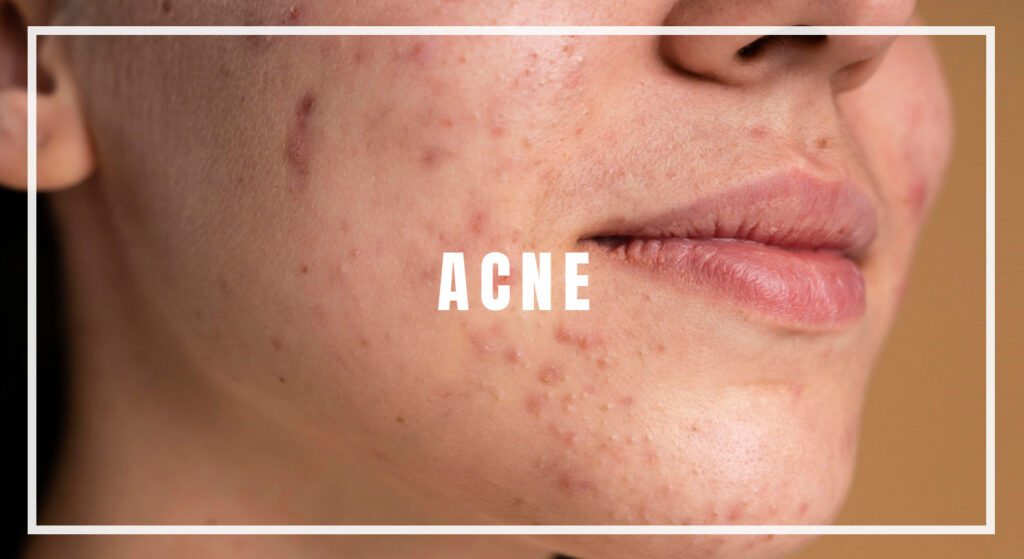
Acne is perhaps one of the most prevalent skin problems, affecting people of all ages. It occurs when hair follicles become clogged with oil and dead skin cells, forming pimples, blackheads, and whiteheads. Hormonal changes, stress and certain skincare products can all make acne worse, which is why identifying your specific triggers is often just as important as the products you use. To address acne, consider the following tips:
a. Cleanse Regularly: Use a gentle cleanser to wash your face twice a day to remove excess oil and impurities.
b. Topical Treatments: Incorporate topical treatments containing ingredients like salicylic acid or benzoyl peroxide into your skincare routine.
c. Hydration: Stay hydrated and use a non-comedogenic moisturiser to maintain the skin’s natural balance.
d. Professional Support: If breakouts persist despite a consistent routine, a dermatologist can recommend prescription treatments or in-clinic options suited to your skin type, and can also help address any resulting acne scarring or hyperpigmentation once the acne itself is under control.
2. Dry Skin
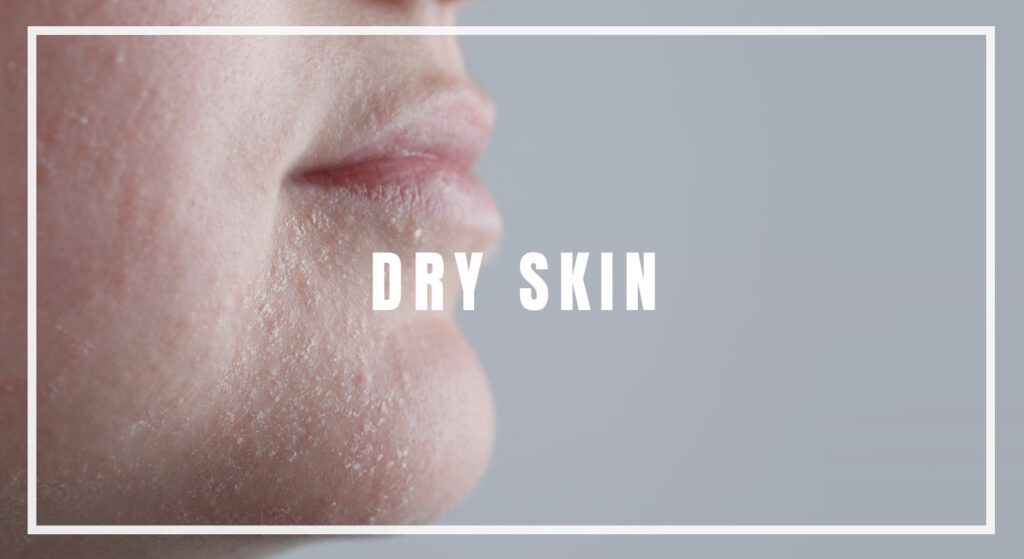
Dry skin is characterised by a lack of moisture, leading to flakiness, itching, and redness. Weather changes, hot showers and harsh cleansers are common culprits, particularly during the colder months. Combat dry skin by:
a. Hydrating from Within: Drink plenty of water to keep your skin hydrated from the inside out.
b. Moisturise: Use a rich, hydrating moisturiser regularly, especially after showering or washing your face.
c. Humidifier: In dry climates, consider using a humidifier to add moisture to the air.
For more seasonal advice, read our guide on How To Take Care Of Your Skin During Winter.
3. Dark Circles

Dark circles under the eyes can be caused by various factors, including lack of sleep, genetics, and ageing. In many cases, dark circles are actually a form of pigmentation caused by excess melanin in the thin under-eye skin, rather than tiredness alone. To address this issue:
a. Adequate Sleep: Ensure you are getting enough quality sleep.
b. Eye Creams: Use eye creams containing ingredients like Vitamin C, Retinol, or Hyaluronic Acid to reduce dark circles and puffiness.
c. Cold Compress: Apply a cold compress to constrict blood vessels and reduce discoloration.
4. Sun Damage
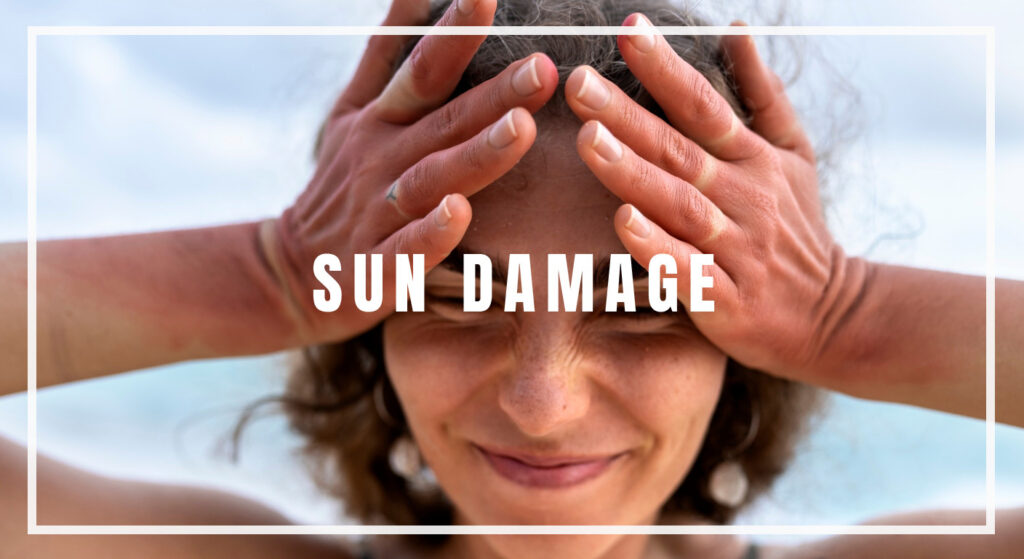
Excessive sun exposure can lead to various skin issues, including sunburn, premature ageing, and an increased risk of skin cancer. It’s also one of the leading causes of hyperpigmentation, including sunspots and age spots, which can develop gradually over years of unprotected exposure.
Protect your skin by:
a. Sunscreen: Use a broad-spectrum sunscreen with at least SPF 30 every day, even on cloudy days.
b. Protective Clothing: Wear hats, sunglasses, and clothing that covers your skin when spending extended periods in the sun.
c. Avoid Peak Sun Hours: Limit sun exposure during peak hours (10 a.m. to 4 p.m.).
d. Treating Existing Damage: If sun damage has already led to visible dark spots or uneven skin tone, understanding and treating hyperpigmentation explains the professional treatments that can help fade it.
5. Eczema
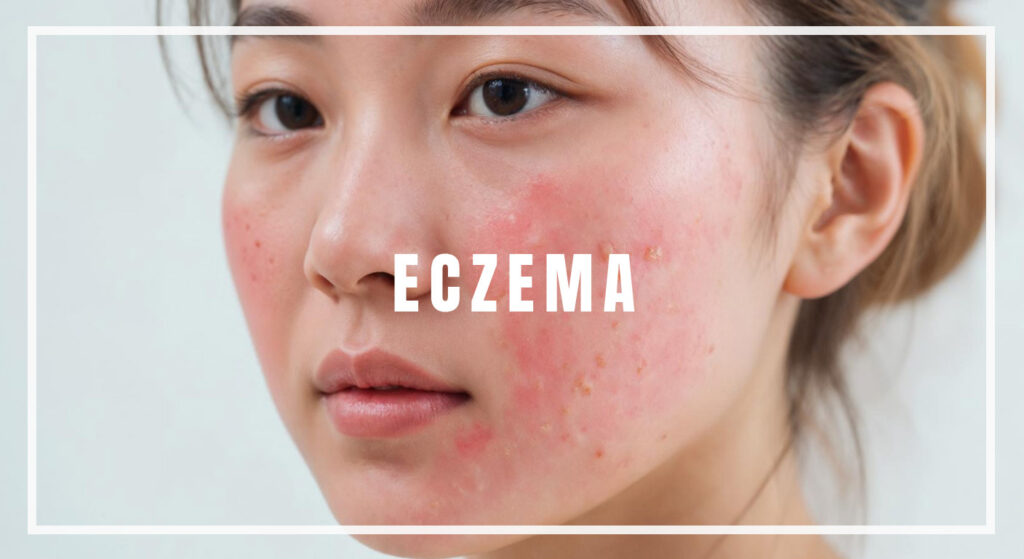
Eczema is a chronic skin condition characterised by inflammation, redness, and itching. It tends to flare up in response to specific triggers, so managing it is often about prevention as much as treatment.
Manage eczema by:
a. Moisturisation: Keep the skin well-hydrated with fragrance-free, hypoallergenic moisturisers.
b. Avoid Triggers: Identify and avoid triggers such as certain fabrics, soaps, or allergens.
c. Prescription Medications: Consult a Dermatologist for prescription medications or topical corticosteroids for severe cases.
Our Conclusion
Addressing common skin problems requires a combination of proper skincare practices, lifestyle adjustments, and, in some cases, professional intervention. You can achieve and maintain healthy, radiant skin by understanding your skin’s unique needs and adopting a consistent and holistic approach to skincare.
If persistent issues arise, seeking guidance from a Dermatologist for personalised advice and treatments is always advised. Book a consultation with our practitioners at Cavendish Clinic to get a personalised skin assessment, and explore our full range of aesthetic treatments London patients rely on for acne, pigmentation and overall skin health.
Also Read: How To Take Care Of Your Skin During Winter