

Key Takeaways
- Pigmentation happens when melanocytes produce too much melanin in response to a trigger.
- Melasma, sun spots and post inflammatory marks look similar but need different treatment.
- UVA passes through cloud and window glass, so London’s grey days still count.
- Hormones, heat, pollution and picking at spots all make uneven tone worse.
- Deeper skin tones need carefully calibrated treatments to avoid rebound darkening.
- Daily broad spectrum SPF 30 or higher is the most effective thing you can do at home.
- Peels, medical facials and laser work best as part of a tailored plan, not as one off fixes.
- A proper skin assessment before treatment saves you time, money and frustration.
Why Uneven Skin Tone Is So Hard to Shift
You usually notice it in a photo first. A faint shadow above the upper lip, a cluster of brown spots on one cheekbone, or a dark mark on the jaw that is still there months after the spot that caused it has gone. Concealer covers it for the day, but it never really leaves.
Pigmentation sits right up there with acne and rosacea among the most common skin problems adults bring to a consultation. It is also one of the most misunderstood. Plenty of people spend a small fortune on brightening serums before anyone has told them what kind of pigmentation they actually have, and that matters more than any product choice. Melasma, sun damage and the marks left behind by acne all look like “dark patches”, yet they behave very differently. A treatment that clears one can quietly make another worse.
So before we talk about lasers, peels and serums, it helps to understand what is really happening in the skin, and why living in London plays a bigger part than most people expect.
What Pigmentation Actually Is
Every shade of skin comes down to melanin, the pigment made by cells called melanocytes in the deepest layer of the epidermis. Melanin is not the enemy. It is your skin’s own sunscreen, absorbing ultraviolet light and protecting the DNA in your skin cells from damage.
Trouble starts when those melanocytes get overexcited. Something triggers them, whether that is sunlight, a hormone surge or inflammation, and they start producing more melanin than the surrounding skin. The extra pigment gets passed up into the skin cells above, and instead of an even spread you end up with darker patches, spots or blotches.
The depth of that pigment matters enormously. When it sits in the upper layers of the skin (epidermal pigmentation), it tends to look brown with fairly defined edges and usually responds well to treatment. When it has dropped into the dermis below, it often looks greyer or bluish, the edges blur, and it becomes far more stubborn. Many people have a mix of both, which is one reason a proper skin assessment under magnification or a Wood’s lamp is so useful before any treatment begins.
The Main Types of Pigmentation
Melasma
Melasma shows up as larger, often symmetrical patches across the cheeks, forehead, upper lip and sometimes the bridge of the nose. It is strongly linked to hormones, which is why it so often appears during pregnancy (where it is sometimes called the “mask of pregnancy”), after starting the contraceptive pill or during hormone replacement therapy. Women are affected far more often than men.
The honest truth about melasma is that it is a chronic condition. It can be calmed, lightened and kept under control, but it tends to flare again with sun, heat or hormonal change. Anyone who promises a permanent cure in one session is overselling.
Sun Spots
Sometimes called age spots, liver spots or solar lentigines, these are flat, well defined brown marks that appear on the areas that see the most daylight: the face, the backs of the hands, the chest and the shoulders. They are the result of years of accumulated sun exposure, and most people start noticing them in their thirties or forties. The good news is that sun spots usually respond very well to professional treatment.
Post Inflammatory Hyperpigmentation
This is the dark mark that lingers after the skin has been injured or inflamed. Acne is the classic culprit, but eczema, insect bites, waxing burns, a cut or even an overly aggressive facial can leave the same kind of shadow behind. Post-inflammatory hyperpigmentation (often shortened to PIH) can fade by itself over several months, although in some people it hangs around for a year or longer, and it is noticeably more common in deeper skin tones.
Freckles deserve a quick mention too. They are largely genetic, darken in summer and fade in winter, and many people are perfectly happy to keep them.
What’s Really Causing Your Pigmentation
The Sun, Even on Grey Days
This is the big one, and Londoners routinely underestimate it. Cloud cover blocks some UVB (the rays that burn), but UVA passes through cloud and ordinary window glass with ease. UVA penetrates deeper into the skin, drives pigment production and ages the skin quietly, without the warning sign of a burn. A seat by the office window, the top deck of the bus every morning or a lunchtime walk along the South Bank all add up over a year.
There is also growing interest in visible light, particularly the blue end of the spectrum. Research suggests it can trigger pigment in deeper skin types and in people with melasma. Daylight is by far the main source. Your phone and laptop give off only a tiny fraction by comparison, so there is no need to panic about screen time.
Hormones
Oestrogen and progesterone both stimulate melanocytes, which explains the link between melasma and pregnancy, the pill and HRT. Thyroid conditions and stress hormones may also play a part in some people.
Inflammation and Your Own Habits
Picking at spots is the fastest route to a dark mark. Harsh scrubs, overusing strong acids, piling on too many actives at once and DIY peels can all irritate the skin enough to set off post inflammatory pigmentation. Ironically, some people develop dark patches from the very products they bought to clear them.
City Air and Heat
London’s air quality has improved, yet traffic pollution still matters for skin. Studies have linked fine particulate matter and nitrogen dioxide with more pigment spots, likely because pollutants create oxidative stress and inflammation in the skin. Heat is another underrated trigger for melasma. Hot yoga, saunas, steam rooms and even standing over a hot stove can make it flare, independent of any sunlight.
Medications and Genetics
Certain antibiotics, some blood pressure tablets and a handful of other medicines make the skin more sensitive to light. Your genes decide how reactive your melanocytes are in the first place, which is why pigmentation often runs in families.
Why Your Skin Type Changes the Plan
London is one of the most diverse cities in the world, and good pigmentation care has to reflect that. Skin with more natural melanin, including many Black, South Asian, East Asian, Middle Eastern and Mediterranean skin tones, has more active melanocytes. That gives excellent natural sun protection, but it also means the skin reacts more readily to inflammation. A breakout, a burn or an overly aggressive treatment is more likely to leave a dark mark behind.
Fairer skin is more prone to sun spots and visible sun damage, and can usually tolerate a wider range of laser settings.
What this means in practice is simple. Treatments must be chosen and calibrated for your skin, not copied from someone else’s before and after photos. Energy levels, peel strength and the number of sessions all need adjusting. A patch test is often sensible, and preparing the skin with a gentle pigment inhibitor for a few weeks before stronger treatment can reduce the risk of rebound darkening. Anyone treating pigmentation should be confident and experienced with every skin type, and should be happy to explain how they will keep your skin safe.
Home Care That Genuinely Helps
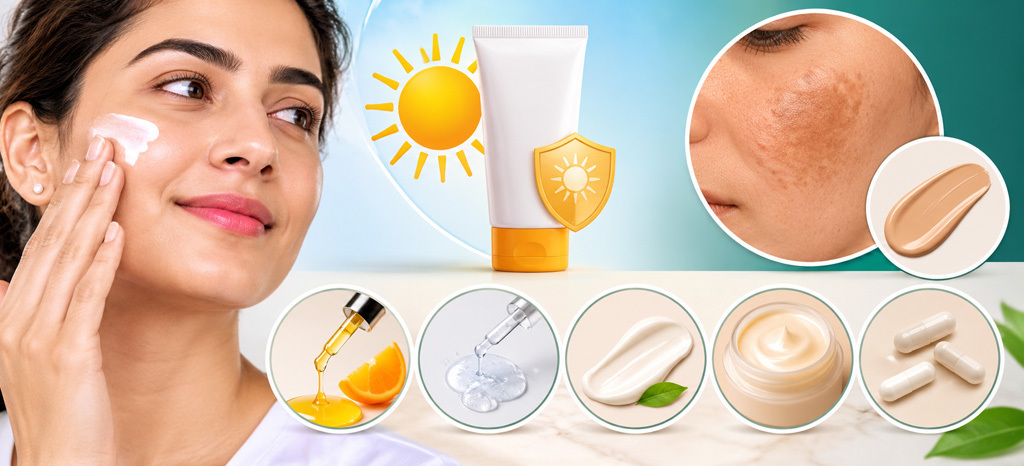
No clinic treatment will hold its results if the basics at home are missing. The single most effective thing you can do for uneven skin tone costs very little: wear a broad spectrum sunscreen of SPF 30 or higher every single day, all year round, and reapply if you are outdoors for long. If pigmentation is your main concern, a sunscreen that also brightens can work twice as hard. SkinCeuticals Advanced Brightening UV Defense SPF 50 combines high protection with ingredients that target dark spots, which makes it a popular daily choice with our patients. If melasma is your concern, a tinted mineral sunscreen containing iron oxides is worth the switch, because the tint helps block visible light as well as UV.
After that, a few ingredients have proper evidence behind them:
- Vitamin C in the morning, to brighten and protect against oxidative stress from sunlight and pollution. SkinCeuticals Phloretin CF is a good option for uneven tone, as it pairs vitamin C with phloretin and ferulic acid.
- Niacinamide, which reduces the transfer of pigment to skin cells and is gentle enough for most people.
- Azelaic acid, a good choice if you also have acne or redness.
- Retinoids at night, which speed up cell turnover so pigmented cells shed sooner.
- Tranexamic acid, used in serums and sometimes prescribed as tablets for melasma under medical supervision. SkinCeuticals Discoloration Defense brings tranexamic acid together with niacinamide and kojic acid, so it suits sun spots, melasma and post inflammatory marks alike.
Hydroquinone is still used for stubborn pigmentation, but in the UK it is a prescription only medicine and should only be used under a doctor’s guidance.
Give any new routine at least eight to twelve weeks before you judge it, and introduce one active at a time so you can spot anything that irritates. Resist the urge to pick. And remember that sleep, hydration and a diet rich in antioxidants all contribute to healthy glowing skin, even if they will not erase a sun spot on their own. You can browse our full range of doctor recommended skincare online, or ask at your consultation which products suit your skin best.
Professional Treatments That Make a Real Difference
When home care has plateaued, or the pigment is simply too deep for serums to reach, professional treatment is the next step. The best pigmentation treatment London clinics offer is rarely a single procedure. It is a plan built around your type of pigmentation, your skin tone and how much downtime you can realistically take. These are the options we turn to most often.
Chemical Peels
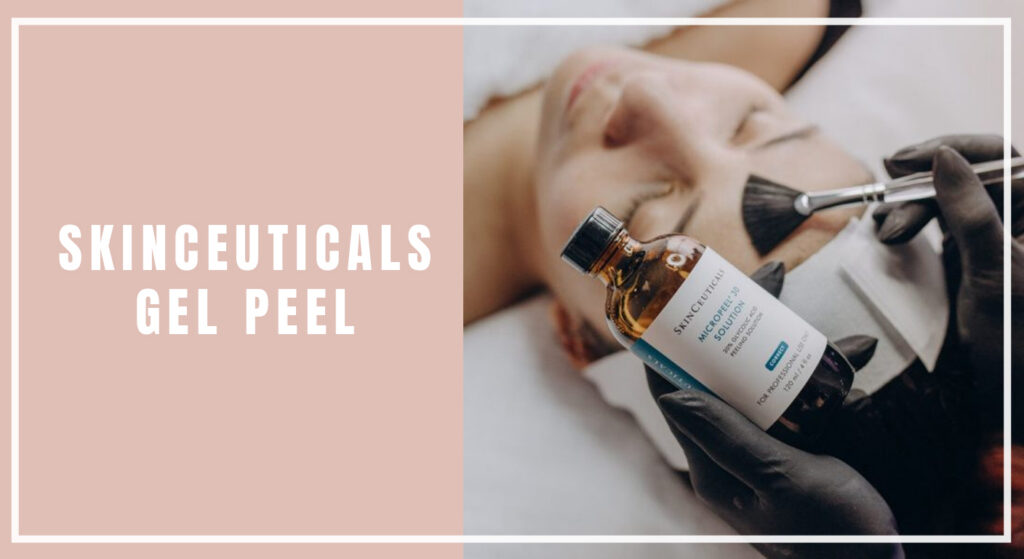
A well chosen peel lifts away the pigmented outer layers and encourages fresher, more even skin to come through. The SkinCeuticals Gel Peel is a good example. Its gel texture allows a controlled, even application, which makes it suitable for a wide range of skin types, including skin prone to post inflammatory marks. Most people see some light flaking for a few days and a brighter, smoother tone over a course of treatments.
Medical Facials
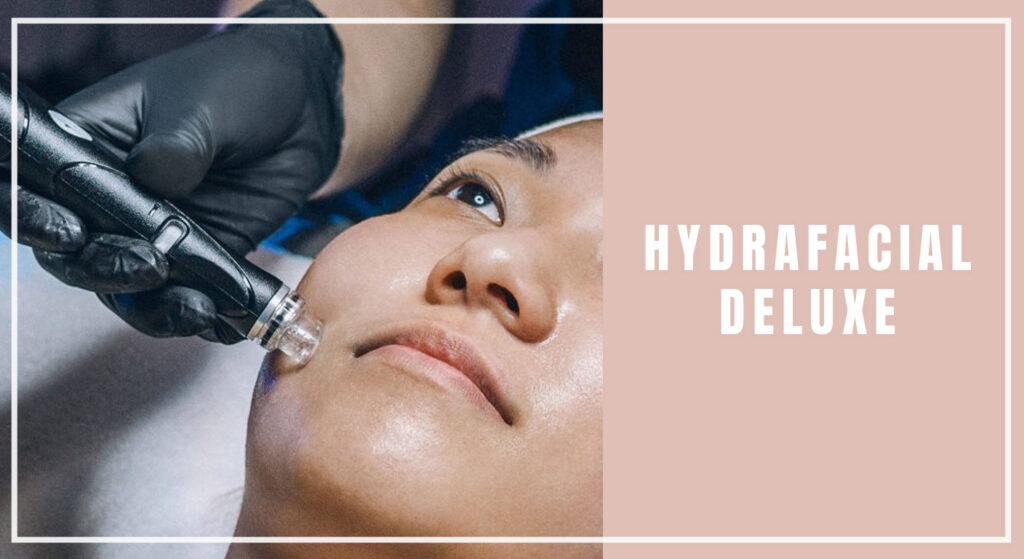
For dullness, mild uneven tone and anyone who wants results with no downtime, a medical facial is a lovely place to start. The HydraFacial Deluxe with SkinCeuticals cleanses, exfoliates and extracts, then infuses the skin with targeted SkinCeuticals serums. It won’t remove a deep sun spot in one go, but regular sessions keep the skin clear, hydrated and more receptive to brightening products. It also makes an excellent maintenance treatment between stronger procedures.
Laser Resurfacing
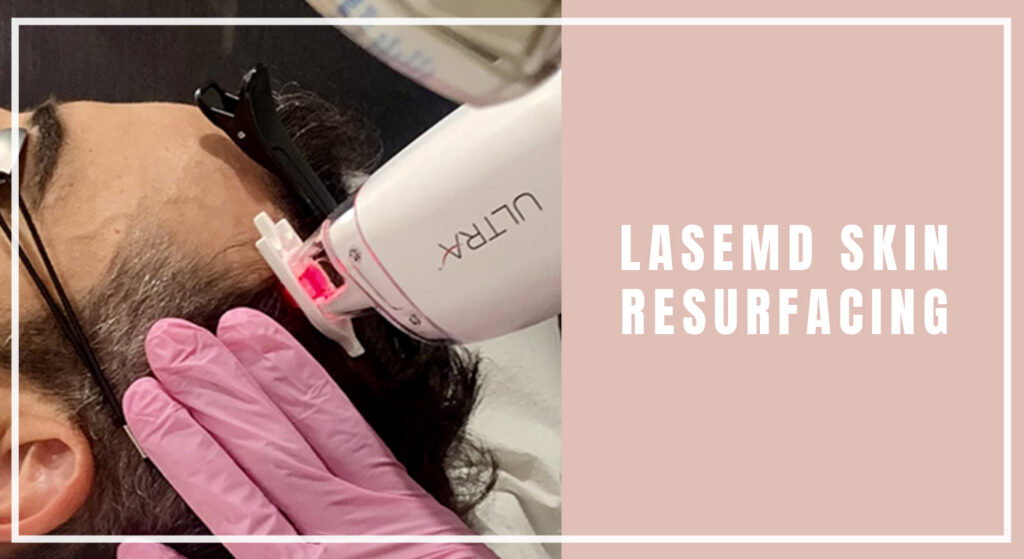
For sun spots, stubborn PIH and pigment that has resisted everything else, laser is often the most effective tool. LaseMD Skin Resurfacing uses a gentle fractional thulium laser that creates tiny controlled channels in the upper skin. Pigment is drawn up and shed, while the skin’s own repair process improves texture and tone. Downtime is usually a few days of redness and a slightly rough, sandpaper feel. It can also be paired with brightening serums that penetrate more effectively immediately after treatment.
Radiofrequency for Texture and Firmness

Pigmentation rarely travels alone. Many people with sun damage also notice crepey texture, enlarged pores and a loss of firmness. Forma Radiofrequency Skin Tightening gently heats the deeper layers of the skin to stimulate collagen. It is not a pigment treatment in itself, and we would always be clear about that, but combined with peels or laser it can give the overall result a smoother, firmer and more radiant finish. People with melasma need extra care with any heat based treatment, so suitability is always assessed first.
What About IPL?
Intense pulsed light works well for sun spots on fair skin. It is less suitable for darker skin tones and can worsen melasma, which is exactly why a proper diagnosis comes before any choice of device.
Choosing a Clinic and What to Expect
With so many clinics across the capital, it pays to be picky. Look for medical oversight, a thorough consultation before anything is booked, and a practitioner who asks about your hormones, medication, holidays and skincare routine rather than heading straight for a device. Ask how they treat your specific skin tone, how many sessions they expect, and what happens if your pigmentation comes back.
At Cavendish Clinic, every pigmentation plan starts with a detailed skin assessment. Our Doctors look closely at the type and depth of pigment, then build a programme that usually blends home care with a short course of in clinic treatments. You can read more about how we combine skincare with aesthetic skin treatments to get results that last.
Timing makes a difference as well. Autumn and winter are ideal for stronger treatments such as laser and peels, because the skin is exposed to less intense sun while it heals. Most people need between three and six sessions, spaced a few weeks apart, followed by occasional maintenance. Think of it as a course rather than a quick fix, and expect gradual, steady improvement instead of an overnight change.
The Bottom Line
Pigmentation is not a sign that you have done something wrong. It is your skin responding to sunlight, hormones, heat and inflammation in the way it was designed to, just a little too enthusiastically. Once you know which type you are dealing with, it becomes far easier to treat, and far less frustrating to live with.
If you are tired of guessing, book a consultation with Cavendish Clinic, a doctor led aesthetic clinic London patients visit for honest, tailored skin advice. We will tell you exactly what is causing your uneven tone and map out a plan that fits your skin, your schedule and your goals, so the next photo you notice is one you actually like.