
CoolSculpting can be an excellent way to refine body contours ahead of summer when it is used on the right areas, in selected patients, and planned by an experienced medical team. As a consultant plastic surgeon at Cavendish Clinic Fitzrovia, my focus is always on safety, realistic expectations and choosing the right treatment – sometimes that is CoolSculpting, and sometimes it is not.
What CoolSculpting Actually Does
CoolSculpting is a non-surgical fat-reduction treatment that uses controlled cooling to selectively damage fat cells beneath the skin so that your body can gradually clear them over the following weeks and months. It is designed for localised fat reduction rather than overall weight loss, and it typically produces a modest but meaningful reduction in fat thickness in the treated area.
It is best thought of as a body-contouring tool rather than a way to change the number on the scales. In practice, that means results are most satisfying when we are using it to fine-tune specific stubborn pockets of fat that have not responded to healthy eating and exercise, rather than as a shortcut around lifestyle change.
The Best Areas to Target
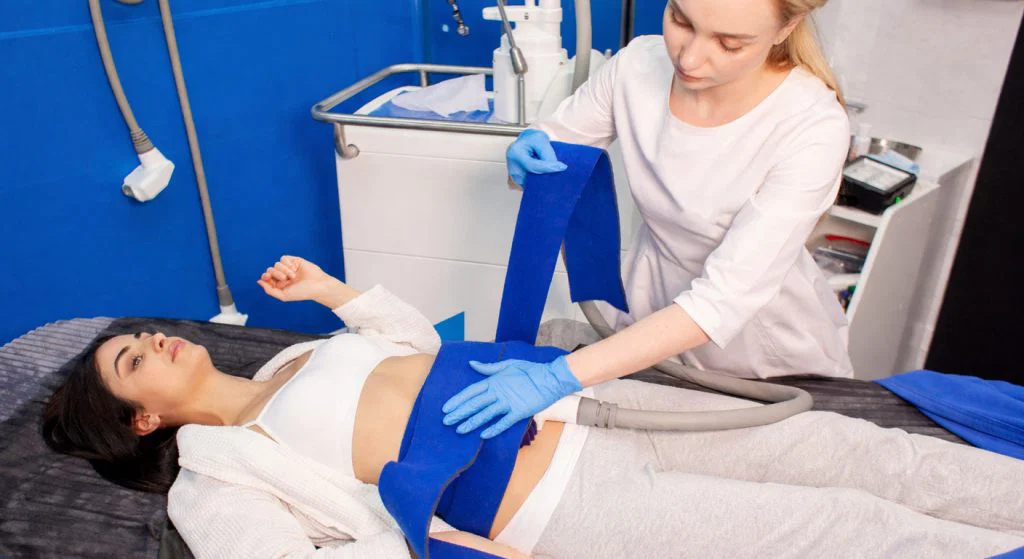
CoolSculpting works particularly well on clearly defined, “pinchable” fat rather than more generalised or very firm fullness. In our Fitzrovia clinic, the most commonly and effectively treated areas include:
- Abdomen – upper and lower tummy bulges and “muffin top” areas that remain after weight loss.
- Flanks or “love handles” – soft pockets at the sides of the waist that can affect how clothes sit.
- Thighs – inner thigh fullness that rubs, or outer “saddlebags” that persist despite exercise.
- Under-chin fat – soft fullness under the jawline that creates a double chin.
- Back and bra-line fat – small bulges that show through fitted tops or bras.
- Upper arms – in carefully chosen patients with a discrete soft bulge and reasonably good skin quality.
- Male chest – in selected men with localised soft fatty tissue (rather than true glandular gynaecomastia), CoolSculpting can help reduce chest fullness and create a flatter, more masculine contour
Not every area is suitable in every person. Skin quality, the thickness and consistency of the fat, and your overall body proportions all influence whether CoolSculpting is likely to give a worthwhile and natural-looking improvement.
Who Makes the Best Candidate?
The ideal CoolSculpting candidate is reasonably close to their ideal weight and bothered by specific areas of localised fat, rather than by generalised excess weight. Good candidates usually:
- Are generally healthy and do not have medical conditions that make them sensitive to cold.
- Are within a reasonable range of their target weight and stable.
- Have clear, pinchable pockets of fat in one or more of the common treatment areas.
- Understand that the goal is contour improvement, not dramatic weight loss.
If there is significant skin laxity, more generalised fat, or associated muscle separation (for example after pregnancy), surgical options such as liposuction or abdominoplasty may be more appropriate. In other cases, patients benefit more from a structured, doctor-led weight-management programme before we consider any form of body contouring. A large part of my role is to help people decide when not to treat, and to signpost safer or more effective alternatives.
Why a Proper Consultation Matters
Although CoolSculpting is non-invasive and has an excellent safety profile when used correctly, it is still a medical procedure and should begin with a thorough consultation. In my view, a good consultation includes:
- Taking a detailed medical history, including any conditions that could make exposure to cold unsafe.
- Examining the treatment area carefully, assessing both fat and skin quality, and looking at the body as a whole rather than in isolation.
- Discussing your goals in detail and being honest about what CoolSculpting can and cannot achieve.
- Explaining alternative options – from lifestyle and medical weight-loss pathways through to surgical body contouring – where those are likely to give a better or more predictable outcome.
At Cavendish Clinic Fitzrovia we also consider how CoolSculpting might sit within a wider treatment plan, for example alongside other treatments or medically supervised weight-loss when appropriate. The aim is to build a safe, tailored plan rather than offer a one-size-fits-all device treatment.
Why Cavendish Clinic and My Experience
Cavendish Clinic was founded by consultant plastic surgeons and is built around a doctor-led, evidence-based approach to aesthetic medicine. We specialise in both non-surgical and surgical body treatments, and CoolSculpting is one of the core technologies we use within that broader body-contouring portfolio.
As a consultant plastic surgeon with over two decades of specialist experience, I bring a surgical perspective to every CoolSculpting plan. That means I can advise you not only on how many cycles you might need, but also whether a non-surgical option is genuinely the right choice compared with liposuction or other surgical techniques – or whether the safest option is not to treat at all. Our team performs CoolSculpting regularly across multiple body areas, and our protocols, marking patterns and aftercare have been refined over many years of treating a wide range of body types in Fitzrovia and across Cavendish Clinic.
Why You Should Plan Treatment Now for Summer
CoolSculpting results are not immediate. After treatment, your body gradually processes the affected fat cells, and most people see their best improvement at around 8–12 weeks, with more subtle changes continuing for several months. If your goal is to feel more confident in summer clothing or swimwear, it makes sense to complete treatment in spring so that you are seeing the benefit in time for holidays and events.
Although most patients return to normal activities straightaway, mild bruising, numbness or tenderness in the treated area can persist for days. Starting early gives your body time not only to show the aesthetic result but also to settle fully so that you feel completely comfortable. It also allows enough time for a second treatment session in key areas if, once we review your progress together, we agree that an additional round would give you an even better outcome.If you are considering CoolSculpting and would like an honest, medical assessment of whether it is right for you, I or one of my team would be happy to see you in consultation at Cavendish Clinic Fitzrovia.