

June is Acne Awareness Month, but acne is a skin concern that many of us suffer with all year round and for many years.
Acne commonly starts when we head into our teenage years but unfortunately, it doesn’t always stop there and can follow us well into our adulthood or occur at a later (or earlier) life stage. If you have acne-prone skin, you might find that the warmer weather can trigger acne flare-ups, putting a damper on your fun-filled summer.
Unfortunately, there is no one clear path to saying goodbye to acne forever but there are many things you can do to support your acne-prone skin and keep those breakouts to a minimum.
The process by which acne develops is related to the hormonal changes that teenagers experience. The existing receptors in the sebaceous glands are activated more expressively in this situation and, therefore, there is an increase in sebum production.
What makes acne worse?
The problem of acne is multifactorial, it develops with the association of several factors.
We know that genetic predisposition is an important factor in the development of the disease. It is very common to observe some factors that influence the worsening of acne:
Menstrual period, hormonal dysfunction, stress, excessive exposure to the sun, food rich in fat and sugar, and the use of some medications and supplements are some of the most common.
An important factor that we cannot forget to mention is the habit of putting your hand on your face or squeezing pimples.
Does food interfere with acne?
Yes! Foods high in sugar and fat can worsen acne in predisposed patients, such as foods with a higher glycemic index, like refined carbohydrates.
How to treat acne?
Acne treatment should always be considered individually and according to the characteristics found in each patient.
Dermatological treatment will be prescribed and can be associated with procedures such as peelings.
The association is usually more indicated because it offers the patient a faster and more efficient response.
How to prevent acne?
We talked earlier about factors that worsen acne, and in this way, we can act to control these factors.
The patient should: avoid putting their hand on the skin or squeezing pimples, avoid excessive sun exposure, wash their face too much, avoid eating certain types of food, avoid using inappropriate cosmetics for their skin characteristics, and avoid using certain supplements.
This pathology has a high psychological impact and around it, there are several myths, which will be elucidated below.
The myths of acne
1. Acne is caused by poor hygiene.
Open comedones, “blackheads”, and typical acne lesions have a dark color, this coloration occurs due to oxidative processes and not due to lack of hygiene, although there is still a myth that lack of hygiene is at its origin.
2. Acne skin hygiene should be performed several times a day.
Some patients with acne skin believe that if they perform skin hygiene several times a day, they will experience improvements. This over-cleansing will lead to a rebound which will stimulate more sebum and at the same time there is irritation of the skin, which becomes more dehydrated.
3. Acne improves immediately after starting treatment.
Patients often assume that after starting acne treatment visible results are immediately apparent. In reality, the treatment is slow, as current treatments do not prevent the formation of new lesions and time is needed to treat pre-existing lesions. It takes at least 3 to 4 weeks to start showing visible results.
4. Sunlight improves acne.
There is no scientific evidence. Skin tanning makes acne less visible, in addition to the fact that some drugs used are photosensitizing, so additional photoprotection care must be used.
5. Acne only occurs in adolescence (nothing new here…)
6. Makeup cannot be used on acne skin as it aggravates the acne condition by clogging up your pores.
Three Skin Hacks
Which of these so-called acne hacks actually work, and which ones are actually causing more damage? To find out, we ran some of the most popular pimple hacks by the skin experts themselves to come up with a proper do’s and don’ts list for DIY’ing away your blemishes.
- Increase Cell Turnover by Exfoliating
According to Wesley, light exfoliation—typically through the use of cleansers, topical products, or chemical peels—can help skin cells turn over faster, which prevents blackheads and whiteheads from forming, helps existing acne resolve more quickly, and helps dark marks from old acne fade faster.
2. Incorporate a Salicylic Acid Cleanser into Your Routine
Salicylic acid, a beta-hydroxy acid, has antibacterial, exfoliating, and anti-inflammatory effects—which yields great results for clearing acne. “Salicylic acid helps dry up ‘wet’ or oily lesions such as acne, and in the process of drying, promotes superficial skin exfoliation which can help reduce superficial hyperpigmentation,” explains Wesley. Check this one from Arbonne—it cleanses grime away all while treating existing breakouts and fending off future ones
3. Always Wear SPF
Those post-inflammation dark spots? Yep, you have acne and a lack of sun protection to thank for them: The inflammation from acne can often stimulate our pigment-making cells called melanocytes to produce more pigment, resulting in a dark mark where the acne once was. Using a non-comedogenic sunscreen (meaning it’s been tested so it shouldn’t clog your pores), is key in helping prevent and improve the appearance of these dark marks.
Our recommended SkinCeuticals routine for people who suffer from acne
Simply Clean: formulated to provide acid-free exfoliation that soothes skin texture and refines the appearance of pores, Simply Clean gently yet effectively cleanses to remove excess oil as well as long-wear and waterproof makeup.
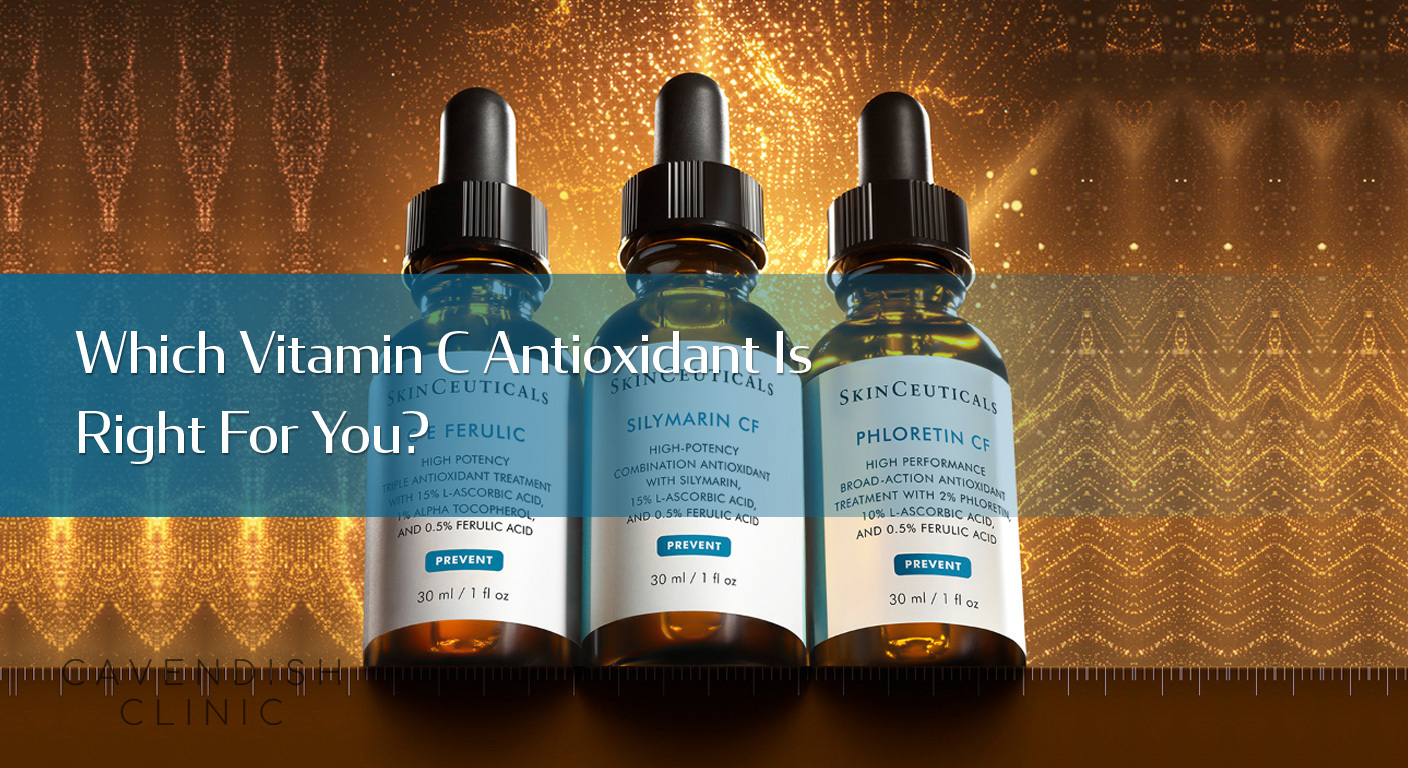
Silymarin CF: is a powerful antioxidant serum with Vitamin C for oily and blemish-prone skin to help oil oxidation that may lead to breakouts.
Blemish + Age Defense: A non-oily serum designed specifically for aging skin prone to blemishes. It refines skin texture while smoothing the appearance of fine lines and wrinkles.
Oil Shield UV Defense Sunscreen: daily-use sunscreen, Oil Shield UV Defense SPF 50 contains a mattifying formula, enriched in Silica, helping to reduce oiliness, leaving no residue, and absorbing excess sebum.